

Last year, I embarked on learning SEO, or search engine optimization, as part of my self-education journey. Anyone who owns a website usually wants it recognized and visible in an online search, preferably on the first page, but it takes certain strategies to get noticed by the masses. Publicity through links, effective keywords, and paid ads are just some ways to get the word out, but even then, there are no guarantees. Ask any marketing expert about the digital landscape then and now, and they would likely tell you evolving algorithms and regulations in search engines are more complex than ever. One can’t submit a webpage to a directory or join a webring for guaranteed results.
SEO in Training
I’ve dabbled in SEO for years without realizing while running various websites and blogs. I once wrote an entertainment review for a company that requested I include a link to their service, unknowingly helping them build backlinks through my site. I crafted engaging content and habitually shared links on social media, but networking with bloggers was a challenge. I knew I could do so much more, but I simply lacked confidence in my writing and social connections. Fast forward to many years later, I wanted to study SEO and watch my efforts culminate in metrics that I could decipher. My old accounts were long gone except for one blog that had essentially become a graveyard. Why not turn it into a playground?
Dead Blog Walking
To set the stage, my WordPress blog, which isn’t this one, was seven years old and had less than 30 posts. An SEO professional would tell you it’s important to keep your site alive with fresh content and to reach out to build ‘authority’—a measure of your site’s credibility and trustworthiness in the eyes of search engines. I took a lax approach, posting content and then walking away, assuming that if it was any good, the magical web would find and display it in search results. You want to know something? It worked for the most part. My site wasn’t popular but sites like Google Search Console and StatCounter informed me that I was getting over 1,000 clicks per month.
It just so happened as I was diving deeper into learning SEO in recent months, I took note of two major shifts. In June 2024, my web host’s server decided to take an impromptu vacation, leaving my site inaccessible for weeks. Google also updated their search algorithms in March 2024, impacting sites like mine, causing clicks and impressions to drop off dramatically. The changes to my site could have been a result of my hosting issue, but seeing monthly visits drop to the 200’s was a downer. Clearly, I was in a pickle, but I had nothing to lose. I took my comatose website, migrated to another host, and decided a revival was necessary. I ignored the lackluster statistics and set out to overhaul my site and make things right using my newfound skills. It was going to be messy, but I was going to learn.
Optimizing Old Content and Making Room for the New
After migrating my website and updating the domain nameservers, I was eager to dive in. But the digital cobwebs were thick. My WordPress dashboard was a cluttered mess of abandoned plugins. My old posts were tagged haphazardly, creating an appearance of keyword stuffing thanks to an outdated tag cloud on my homepage. To make matters worse, none of my posts had meta descriptions, and my internal links were inconsistent. Over 75% of my images lacked alt tags and weren’t optimized, slowing down the site. As I delved deeper into SEO, I realized this was just the tip of the optimization iceberg.
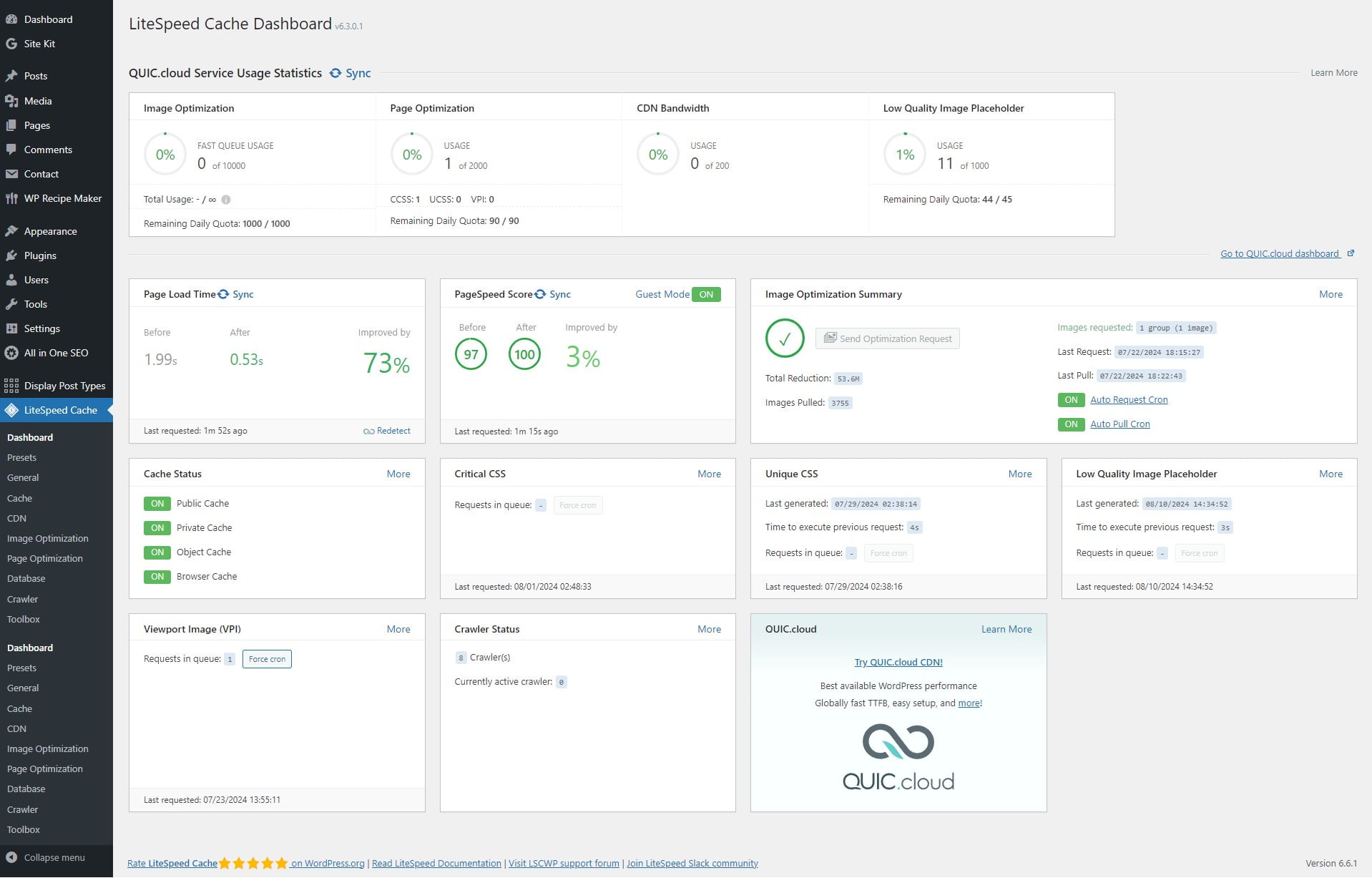
The good news is that some aspects of SEO are handled automatically within WordPress, like the basic site structure and permalinks. Some technical aspects required more hands-on effort. I found myself going back to basics after weeks of trial and error with plugins. A helpful YouTuber guided me toward Litespeed Cache to help with speed and image optimization, resulting in a 53 MB reduction in my image library. Minifying CSS and JS did improve loading times, but it also disrupted the design of my new WordPress theme. I realized that in the SEO scope, there’s no one-size-fits-all strategy. You can watch and meticulously follow as many videos and documentation as you want, but in the end, you have to do what works best for you. This also taught me that while getting a perfect score on an SEO audit was great, it wasn’t the end of the world if you let a few aspects slide. What mattered was the site operated smoothly and that content and authority reigned supreme. I learned to compromise in some areas, like selecting a different WordPress theme to ensure proper functionality.
For my posts, I revisited my image library and updated the alt tags, incorporating relevant keywords to attract more visitors through image search results. I installed another plugin, AIOSEO, which served as a demi-guide in nudging me to be more conscious of my keyword usage and connect them with meta descriptions to appeal to my audience. While the plugin’s scoring system—a tool that evaluates the SEO effectiveness of each post— had limitations, it helped me identify areas for improvement. To declutter my site, I removed nearly 50 irrelevant tags and optimized the robots.txt file to notify Google to stop indexing these unnecessary pages. I streamlined my tags and categories and implemented a search function. These changes allowed my use of free audits to scan more of my actual post pages rather than tag archives.
What was this blog made for again?
All this time while making what I thought were fairly cosmetic technical changes, my head was still spinning around all the work I needed to do. I was asking myself, “what do I want to accomplish with this site anyway?” I wasn’t aiming for monetization or fame, just a chance to see how far my content could climb the search engine rankings and increase my monthly visitor count. With Google’s favor upon social media and corporate sites, many bloggers like me felt the glory days of blogging might be over. I had an idea for my comeback post and declared this as my first SEO test, but would it succeed? How long would it take to see the changes? What was I going to do differently this time? I knew early on that results from SEO were not an overnight fix. It takes time, and much like this site’s name, I was going to give myself some grace and trust the process bit by bit. After all, I’m a beginner!
After tidying up my sedentary site, I was pleased at my progress in achieving basic SEO techniques. My WordPress plugins amounted to 10, I had a new design, and my posts and media were marked with alt text and optimized. Google Search Console was quick to react to my tag removals with intimidating red marks, but it was going to take patience on their part too to readjust to my blog’s SEO makeover. I was eager to see what would happen next as I prepared to write again. It was time for my first blog post experiment.
In the next part of my SEO journey, I’ll share my strategies I used for my comeback post and share the results.
How to start learning SEO (additional links)
The SEO Learning Roadmap – Learning SEO AI
Free SEO Training Courses by SemRush Academy
References
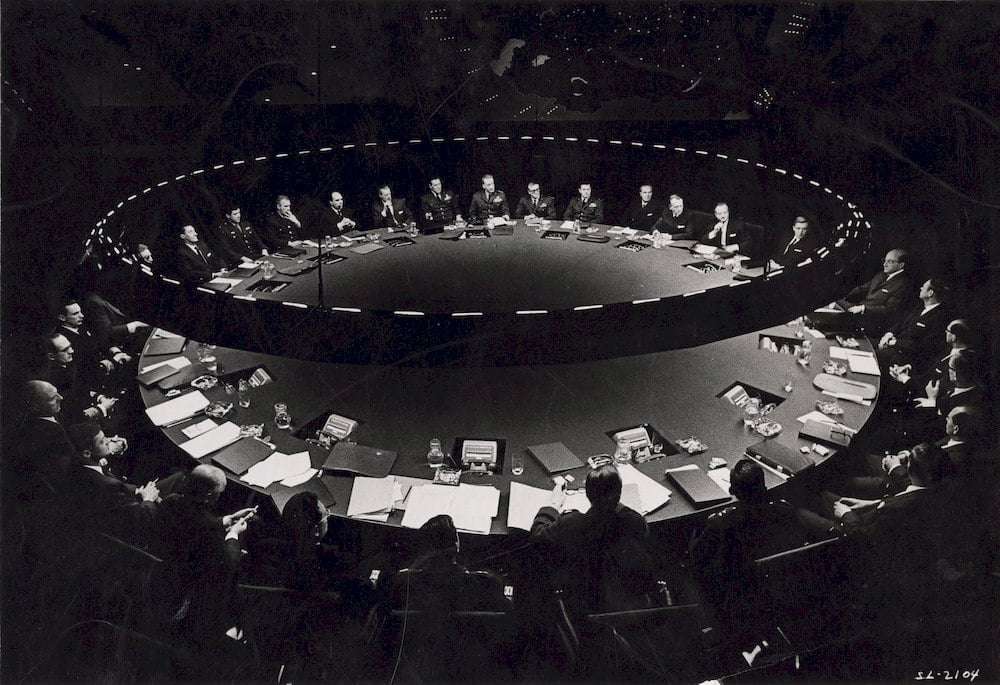
Kubrick, S. (Director). (1964). Dr. Strangelove or: How I Learned to Stop Worrying and Love the Bomb [Film still]. FanCaps. https://fancaps.net/movies/Image.php?imageid=4602442
Movie Dr. Strangelove HD Wallpaper. (2015, November 26). Wallpaper Abyss. https://wall.alphacoders.com/big.php?i=664116
XCX, C. (2024). Brat Generator. Brat Generator. https://www.bratgenerator.com/
Leave a Reply